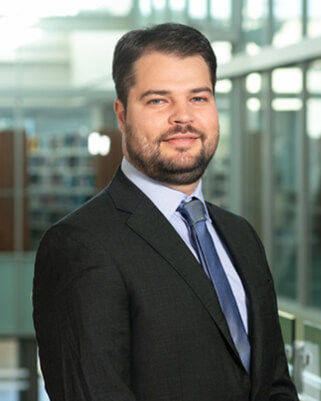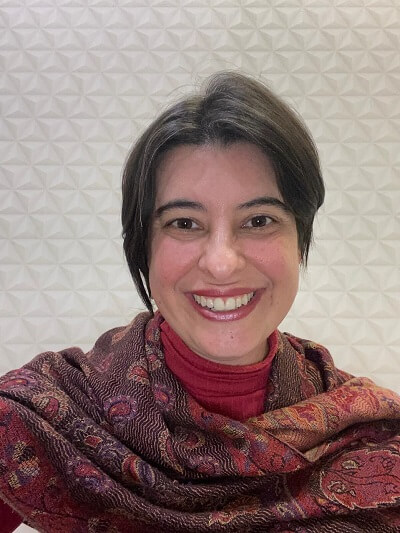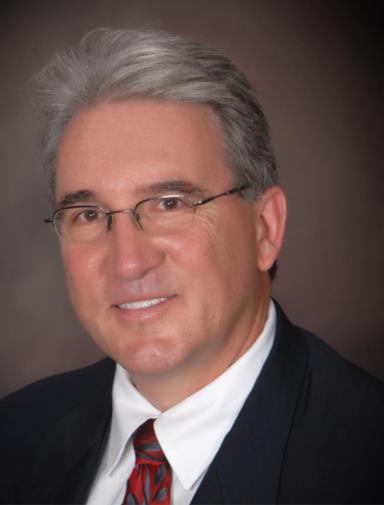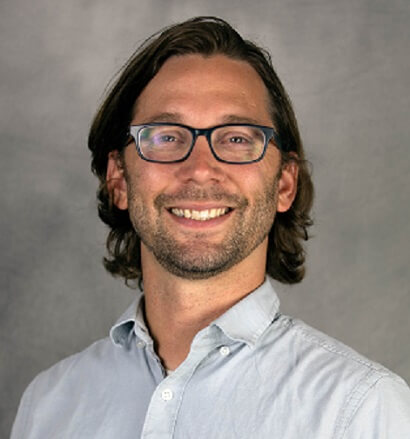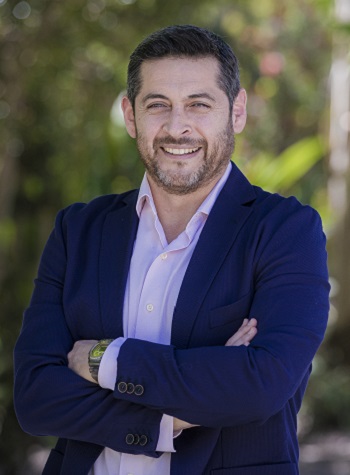
Dr. Robert Trager profile

Dr. Trager and I discuss the study, “Chiropractic Management of Adults with Cervicogenic or Tension-Type Headaches: Development of a Clinical Practice Guideline”. Robert Trager is a chiropractic physician and researcher at Connor Whole Health, University Hospitals, of Cleveland, Ohio. In his clinical role he collaborates with a pain center, working with other specialists to care for those with chronic pain. His research focuses on real-world outcomes related to the integration of chiropractic in large healthcare settings. He is also working towards a Master’s degree in clinical research at Duke University and works at Duke part time as a graduate research assistant.

Here is Dr. Trager’s researchgate profile.

Here is the video for this episode:


Here is the article we discuss in this episode:
Chiropractic Management of Adults with Cervicogenic or Tension-Type Headaches: Development of a Clinical Practice Guideline.
Trager RJ, Daniels CJ, Hawk C, Taylor DN, Walters SA, Price MR, Anderson KR, Crivelli LS, Mooring SA, Staab CA, Oakley CB.J Integr Complement Med. 2026 Feb 13:27683605251397769. doi: 10.1177/27683605251397769. Online ahead of print.


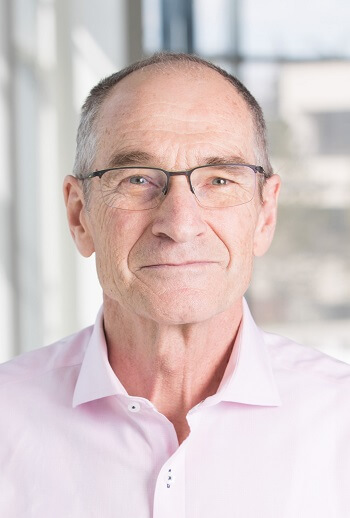
Drs. Jim Whedon and Brian Anderson join me for a discussion about their R15 award involving 3 Medicare neck pain cohort studies.

Jim Whedon DC, MS is a Senior Health Services Researcher at Southern California University of Health Sciences and Adjunct Professor at The Dartmouth Institute for Health Policy and Clinical Practice. He has authored more than 65 peer reviewed publications. Dr. Whedon’s research focuses on evaluation of the quality and accessibility of non-pharmacological therapies for spine pain. He is a recipient of the Jerome F. McAndrews DC Memorial Research Fund Award from NCMIC Foundation and the Scott Haldeman Award for Outstanding Research from the World Federation of Chiropractic.

Dr. Anderson is a health services researcher and 2004 graduate of National University of Health Sciences. He has 20 years of experience across clinical practice, teaching, and research. His efforts have been focused on research full-time since completing his PhD in 2019. He served as a faculty member at the Palmer Center for Chiropractic Research for five years before transitioning to the University of Pittsburgh. His research examines healthcare utilization and outcomes in spinal pain disorders using administrative claims, electronic health records, and survey data. Additional research interests include research-capacity building in chiropractic and other CIH institutions as well as evidence synthesis. At the University of Pittsburgh, he engages in interdisciplinary research initiatives, advises faculty and trainees, and contributes to the integration of research methodologies into the academic curriculum.

Here is the video for this episode:


Here are Dr. Whedon’s researchgate profile as well as Dr. Anderson’s researchgate profile.

The articles that are discussed in this episode are found below:


1.
Observational Study of the Safety of Chiropractic vs Medical Care Among Older Adults With Neck Pain.
Whedon JM, Anderson B, Mackenzie TA, Grout L, Moonaz S, Lurie JD, Haldeman S.
J Manipulative Physiol Ther. 2025 Sep 9:S0161-4754(25)00002-8. doi: 10.1016/j.jmpt.2025.07.002. Online ahead of print.
PMID: 40923947
2.
Comparative Cost Analysis of Neck Pain Treatments for Medicare Beneficiaries.
Anderson BR, MacKenzie TA, Grout LM, Whedon JM.
Arch Phys Med Rehabil. 2025 May;106(5):801-804. doi: 10.1016/j.apmr.2025.01.467. Epub 2025 Feb 14.
PMID: 39955668
3.
Patterns of initial treatment and subsequent care escalation among medicare beneficiaries with neck pain: a retrospective cohort study.
Anderson BR, MacKenzie TA, Lurie JD, Grout L, Whedon JM.
Eur Spine J. 2025 Feb;34(2):724-730. doi: 10.1007/s00586-024-08581-3. Epub 2024 Dec 26.
PMID: 39722095


Dr. Cesar Hincapie and I discuss his research involving chiropractic, lumbar disc herniations and nerve root injections. He describes the ongoing SALuBRITY trial which is the first-ever chiropractic randomized clinical trial funded by the Swiss National Science Foundation and is also partially funded by the European Centre for Chiropractic Research Excellence.

Dr. Cesar Hincapié completed his clinical training as a Doctor of Chiropractic (DC, 2003) at the Canadian Memorial Chiropractic College, in Toronto, Canada. While maintaining a clinical practice, he earned a MHSc (2008) and a PhD (2015) in epidemiology at the University of
Toronto. During his PhD, he was awarded a Canadian Institutes of Health Research Fellowship in knowledge translation. After several years of research, clinical, and teaching activities, Dr. Hincapié completed postdoctoral training in clinical trials and injury epidemiology at the Li Ka Shing Knowledge Institute of St. Michael’s Hospital (University of Toronto affiliated academic hospital). In 2019, he was recruited to the University of Zurich as an International Chiropractic Research Fellow and served as head of clinical research within the Department of Chiropractic Medicine at Balgrist University Hospital and University of Zurich. As of August 2022, Cesar joined the Epidemiology, Biostatistics and Prevention Institute at the University of Zurich as Senior Scientist and Head of the Musculoskeletal Epidemiology Research Group.

The Musculoskeletal Epidemiology Research Group is an interdisciplinary research team focused on producing high quality and relevant research related to musculoskeletal and spine health and care. Their work applies a clinical epidemiological perspective to the area of musculoskeletal health and care. Dr. Hincapié is the principal investigator of the SALuBRITY randomised clinical trial, which is assessing the comparative effectiveness of spinal manual therapy and corticosteroid nerve root injection for the management of patients with sciatica.

Here is the video of our conversation.

Please see Dr. Hincapie’s researchgate.net profile here.

Here are the articles we discussed in this episode.

1.
Incidence of and risk factors for lumbar disc herniation with radiculopathy in adults: a systematic review.
Hincapié CA, Kroismayr D, Hofstetter L, Kurmann A, Cancelliere C, Raja Rampersaud Y, Boyle E, Tomlinson GA, Jadad AR, Hartvigsen J, Côté P, Cassidy JD.
Eur Spine J. 2025 Jan;34(1):263-294. doi: 10.1007/s00586-024-08528-8. Epub 2024 Oct 25.
PMID: 39453541 Free PMC article.
2.
‘Which treatment do you believe you received?’ A randomised blinding feasibility trial of spinal manual therapy.
Muñoz Laguna J, Kurmann A, Hofstetter L, Nyantakyi E, Braun J, Clack L, Bang H, Farshad M, Foster NE, Puhan MA, Hincapié CA; SALuBRITY Blinding Clinician Group.
Chiropr Man Therap. 2025 Jan 14;33(1):4. doi: 10.1186/s12998-024-00561-0.
PMID: 39810207 Free PMC article. Clinical Trial.
3.
Feasibility of blinding spinal manual therapy interventions among participants and outcome assessors: protocol for a blinding feasibility trial.
Muñoz Laguna J, Kurmann A, Hofstetter L, Nyantakyi E, Clack L, Bang H, Foster NE, Braun J, Puhan MA, Farshad M, Hincapié CA.
Pilot Feasibility Stud. 2024 May 2;10(1):70. doi: 10.1186/s40814-024-01492-6.
PMID: 38698433 Free PMC article.
4.
Swiss chiropractic cohort (Swiss ChiCo) pilot study: feasibility for a musculoskeletal cohort study conducted within a nationwide practice-based research network.
Lalji R, Hofstetter L, Kongsted A, von Wyl V, Braun J, Puhan MA, Hincapié CA; Swiss ChiCo Clinicians Group.
Eur Spine J. 2024 May;33(5):2068-2078. doi: 10.1007/s00586-024-08175-z. Epub 2024 Mar 13.
PMID: 38480624
5.


In this interview, Dr Alice Cade discusses her interests of eye function and chiropractic amongst other topics. Dr. Cade is a clinician-scientist and senior lecturer at the New Zealand College of Chiropractic, with adjunct appointments in neuroscience research and teaching at the University of Auckland and the Scotland College of Chiropractic. Her research centers on how spinal function and dysfunction influence oculomotor control, multisensory integration, and neuroplasticity, particularly in the context of mild traumatic brain injury (mTBI). Alice’s doctoral work used computerized eye tracking to examine visual markers of concussion, and her ongoing studies explore how spinal care may alter visual attention, eye tracking, and sensorimotor performance in both clinical and subclinical populations.

With a strong interest in translational science, Alice integrates VR-based behavioural testing, eye tracking, and chiropractic care to better understand brain-body interactions and to develop accessible, non-invasive tools for identifying and monitoring neurological dysfunction. She has presented this work to chiropractic, neuroscience, and vision science communities internationally and remains committed to advancing interdisciplinary, clinically meaningful research that strengthens both patient care and the profession’s scientific foundation.

Here is a link to Dr. Cade’s researchgate profile.   

Here is the video for this episode.

Below are the articles we discuss in this episode.


1.
Effect of Chiropractic Intervention on Oculomotor and Attentional Visual Outcomes in Young Adults With Long-Term Mild Traumatic Brain Injury: A Randomized Controlled Trial.
Cade AE, Turnbull PRK.
J Manipulative Physiol Ther. 2024 Jan-Jun;47(1-4):1-11. doi: 10.1016/j.jmpt.2024.08.003. Epub 2024 Nov 4.
PMID: 39503641 Clinical Trial.
2.
Cervical Spine Vibration Modifies Oculomotor Function in Young Adults with Traumatic Brain Injury.
Cade AE, Turnbull PRK.
J Manipulative Physiol Ther. 2024 Jan-Jun;47(1-4):96-105. doi: 10.1016/j.jmpt.2024.08.001. Epub 2024 Oct 15.
PMID: 39412450
3.
Clinical testing of mild traumatic brain injury using computerised eye-tracking tests.
Cade A, Turnbull PR.
Clin Exp Optom. 2022 Sep;105(7):680-686. doi: 10.1080/08164622.2021.2018915. Epub 2022 Jan 12.
PMID: 35021960 Review.
4.
The Effects of Spinal Manipulation on Oculomotor Control in Children with Attention Deficit Hyperactivity Disorder: A Pilot and Feasibility Study.
Cade A, Jones K, Holt K, Penkar AM, Haavik H.
Brain Sci. 2021 Aug 6;11(8):1047. doi: 10.3390/brainsci11081047.
PMID: 34439666 Free PMC article.

In this interview Dr. Herzog and I discuss his research including: 1) the biomechanics of spinal manipulation; 2) spinal manipulation and the biomechanics of the vertebral artery; 3) spinal manipulation and gait and; 4) the sarcomere, titin and muscle contraction. Dr. Walter Herzog did his undergraduate training in Physical Education at the Federal Technical Institute in Zurich, Switzerland (1979), completed his doctoral research in Biomechanics at the University of Iowa (USA) in 1985, and completed postdoctoral fellowships in Neuroscience and Biomechanics in Calgary, Canada in 1987.

Currently, he is a Professor of Biomechanics with appointments in Kinesiology, Medicine, Engineering, and Veterinary Medicine, holds the Dr. Benno Nigg Chair in Biomechanics, Mobility and Longevity. He was the Canada Research Chair for Cellular and Molecular Biomechanics from 2001 to 2022 and the Killam Memorial Chair for Inter-Disciplinary Research from 2011 to 2021 at the University of Calgary.

His research interests are in musculoskeletal biomechanics with emphasis on mechanisms of muscle contraction focusing on the role of the structural protein titin, and the biomechanics of joints focusing on mechanisms of onset and progression of osteoarthritis.

Dr. Herzog is the recipient of the Borelli Award from the American Society of Biomechanics, the Career Award from the Canadian Society for Biomechanics, the Dyson Award from the International Society of Biomechanics in Sports, the Muybridge Award from the International Society of Biomechanics, and received the Killam Prize in Engineering from the Canada Council for the Arts for his contributions to biomedical research. He is the past president of the International, American and Canadian Societies for Biomechanics. He was inducted into the Royal Society of Canada in 2013.

Here is the video for this episode.


Click here to view Dr. Herzog’s google scholar page.

Here are a few of the articles we discuss in this podcast episode.

1.
Strain of the vertebral artery during passive neck movements and spinal manipulation of the cervical spine: An observational study.
Fagundes C, Herzog W.
J Bodyw Mov Ther. 2024 Oct;40:569-574. doi: 10.1016/j.jbmt.2024.05.011. Epub 2024 May 18.

PMID: 39593645

2.
A low-cost 2-D sarcomere model to demonstrate titin-related mechanisms for force production.
Baptista de Oliveira Medeiros H, de Brito Fontana H, Herzog W.
Adv Physiol Educ. 2024 Mar 1;48(1):92-96. doi: 10.1152/advan.00090.2023. Epub 2023 Dec 7.

PMID: 38059284

3.
Vertebral arteries do not experience tensile force during manual cervical spine manipulation applied to human cadavers.
Gorrell LM, Sawatsky A, Edwards WB, Herzog W.
J Man Manip Ther. 2023 Aug;31(4):261-269. doi: 10.1080/10669817.2022.2148048. Epub 2022 Nov 15.

PMID: 36382347 Free PMC article.

4.
Kinematics of the head and associated vertebral artery length changes during high-velocity, low-amplitude cervical spine manipulation.
Gorrell LM, Kuntze G, Ronsky JL, Carter R, Symons B, Triano JJ, Herzog W.
Chiropr Man Therap. 2022 Jun 1;30(1):28. doi: 10.1186/s12998-022-00438-0.

PMID: 35650649 Free PMC article.

5.
Reflex Responses of Neck, Back, and Limb Muscles to High-Velocity, Low-Amplitude Manual Cervical and Upper Thoracic Spinal Manipulation of Asymptomatic Individuals-A Descriptive Study.
Gorrell LM, Conway PJ, Herzog W.
J Manipulative Physiol Ther. 2019 Oct;42(8):572-581. doi: 10.1016/j.jmpt.2018.11.025.

PMID: 31864518

6.
Quantifying strain in the vertebral artery with simultaneous motion analysis of the head and neck: a preliminary investigation.
Piper SL, Howarth SJ, Triano J, Herzog W.
Clin Biomech (Bristol). 2014 Dec;29(10):1099-107. doi: 10.1016/j.clinbiomech.2014.10.004. Epub 2014 Oct 23.

PMID: 25457973

7.
Biomechanical characterization of cervical spinal manipulation in living subjects and cadavers.
Symons B, Wuest S, Leonard T, Herzog W.
J Electromyogr Kinesiol. 2012 Oct;22(5):747-51. doi: 10.1016/j.jelekin.2012.02.004. Epub 2012 Mar 7.

PMID: 22402264

8.
The biomechanics of spinal manipulation.
Herzog W.
J Bodyw Mov Ther. 2010 Jul;14(3):280-6. doi: 10.1016/j.jbmt.2010.03.004.

PMID: 20538226 Review.

9.
Preliminary report: biomechanics of vertebral artery segments C1-C6 during cervical spinal manipulation.
Wuest S, Symons B, Leonard T, Herzog W.
J Manipulative Physiol Ther. 2010 May;33(4):273-8. doi: 10.1016/j.jmpt.2010.03.007.

PMID: 20534313

10.
The forces applied by female and male chiropractors during thoracic spinal manipulation.
Forand D, Drover J, Suleman Z, Symons B, Herzog W.
J Manipulative Physiol Ther. 2004 Jan;27(1):49-56. doi: 10.1016/j.jmpt.2003.11.006.

PMID: 14739874

Dr. Felipe C. K. Duarte graduated from Feevale University-Brazil in 2008. He has clinical experience as a chiropractor and three other degrees (postgrad dip: Exercise Physiology; MSc: Human Physiology; PhD: Neuroscience). Between 2019 and 2023, he held a research-intensive position at CMCC-Toronto as a postdoctoral fellow and research associate in a rehab research-focused hospital (KITE-Toronto Rehab Institute-UHN, Toronto). Since 2023 Felipe is a senior lecturer at the School of Health, Medical and Applied Sciences, Chiropractic Discipline, Central Queensland University, Australia. He also holds Adjunct professor status at the Canadian Memorial Chiropractic College.

His research interests aim to (1) investigate the neurobiological and neuromechanical mechanisms underlying highly prevalent disabling chronic musculoskeletal conditions, such as chronic spinal pain, neuropathic pain, fibromyalgia, myofascial pain syndrome, and osteoarthritis, which are of great concern to public health systems; (2) Investigate the underlying mechanisms of rehab strategies such as force-based mechanotherapy (e.g., spinal manipulation), focusing on the neurobiological and neuro-immune factors; (3) use these biological determinants to explore their potential for patient stratification in chronic MSK conditions and to spinal manipulation (e.g., responders x non-responders).

Felipe has experience in various methodologies and study designs to address his research interests, which range from molecular biology to neuroimaging and clinical epidemiology. Felipe also possesses direct teaching experience in Biochemistry, Physiology, Neuromusculoskeletal Anatomy, Neuroanatomy, and Clinical Neurological Assessment and Diagnosis at both undergraduate and postgraduate levels.

Visit Dr. Duarte’s research at researchgate.net and view his faculty page.

Here are the articles we discuss during this episode:

1.
Myofascial Pain as an Unseen Comorbidity in Osteoarthritis: A Scoping Review.
Duarte FCK, Chien R, Ghazinour G, Murnaghan K, West DWD, Kumbhare DA.
Clin J Pain. 2023 Apr 1;39(4):188-201. doi: 10.1097/AJP.0000000000001102.
PMID: 36943163 Review.
2.
Effects of Distinct Force Magnitude of Spinal Manipulative Therapy on Blood Biomarkers of Inflammation: A Proof of Principle Study in Healthy Young Adults.
Duarte FCK, Funabashi M, Starmer D, Partata WA, West DWD, Kumbhare DA, Injeyan S.
J Manipulative Physiol Ther. 2022 Jan;45(1):20-32. doi: 10.1016/j.jmpt.2022.03.012. Epub 2022 Jun 25.
PMID: 35760595 Clinical Trial.
3.
Re-Examining Myofascial Pain Syndrome: Toward Biomarker Development and Mechanism-Based Diagnostic Criteria.
Duarte FCK, West DWD, Linde LD, Hassan S, Kumbhare DA.
Curr Rheumatol Rep. 2021 Jul 8;23(8):69. doi: 10.1007/s11926-021-01024-8.
PMID: 34236529 Review.
4.
Spinal Manipulation Therapy Improves Tactile Allodynia and Peripheral Nerve Functionality and Modulates Blood Oxidative Stress Markers in Rats Exposed to Knee-Joint Immobilization.
Duarte FCK, Kolberg C, Riffel APK, Souza JA, Belló-Klein A, Partata WA.
J Manipulative Physiol Ther. 2019 Jul;42(6):385-398. doi: 10.1016/j.jmpt.2018.11.023. Epub 2019 Jul 30.
PMID: 31371096
5.
Spine-Adjusting Instrument (Impulse®) Attenuates Nociception and Modulates Oxidative Stress Markers in the Spinal Cord and Sciatic Nerve of a Rat Model of Neuropathic Pain.
da Silva FBO, Santos MDCQ, da Silva TCB, Facchini D, Kolberg A, Barros RR, Silveira EMS, Kroth A, Duarte FCK, Vassoler JM, Kolberg C, Partata WA.
Pain Med. 2022 Apr 8;23(4):761-773. doi: 10.1093/pm/pnab167.
PMID: 33993301


Here is a link to Clinical Compass.  While there, check out the Evidence Center, Clinical Guidelines, and various other resources!

Dr. Caroline Fagundes and I discuss vertebral artery strain, posture and falls in this episode of the chiropractic science podcast. Dr. Fagundes always knew that her professional field would be in healthcare, and when she read about chiropractic, there were no doubts about which profession to choose. She graduated from chiropractic school in 2008 but continued to seek answers, which led her to a graduate degree in kinesiology at the Federal University of Rio Grande do Sul (Brazil).  This is where she also had her first contact with the research of Professor Walter Herzog.

In 2017, she was awarded a scholarship for the Master’s Degree in Cultural Diversity and Social Inclusion, in the area of Health and Social Inclusion – Aging. Her research was about the relationship between static posture and falls in elderly. In her PhD, also carried out with a scholarship, she continued to study this relationship and in 2021 she was awarded a scholarship to study abroad. Dr. Fagundes embarked on a trip to Calgary, Canada in September to study the strain caused in the vertebral artery during cervical movements and cSMT with Professor Herzog. She returned to Brazil in February 2022, and then finished her PhD and currently works as a chiropractor and acupuncturist in her own office in the South of Brazil.

Find more studies by Dr. Caroline Fagundes at Researchgate.net.

Caroline Fagundes, Walter Herzog. Strain of the vertebral artery during passive neck movements and spinal manipulation of the cervical spine: An observational study, Journal of Bodywork and Movement Therapies, Volume 40, 2024, Pages 569-574, ISSN 1360-8592, https://doi.org/10.1016/j.jbmt.2024.05.011.
(https://www.sciencedirect.com/science/article/pii/S1360859224002882)

In this episode, Dr. Ronald Farabaugh and I discuss his recent systematic review regarding the cost of chiropractic vs. medical management of adults with spine-related musculoskeletal pain. Dr. Farabaugh has been in practice in Ohio since 1982. He was appointed by the Governor in 1994 to serve on the Healthcare Quality Advisory Council to help design managed care programs for the Bureau of Workers’ Compensation (BWC), specifically Qualified Health Plans (QHP). He became the 1996-President of the Ohio State Chiropractic Association. He is the former Chairman of the CCGPP (Council on Chiropractic Guidelines and Practice Parameters).  He was past president of the Ohio Chiropractic State Board, appointed by Governor Strickland in 2010. He is on the ODG-Board of Advisors (Official Disability Guidelines).  He currently serves as VP and National Physical Medicine Director for Advanced Medicine Integration Group, LP (AMI).

Dr. Farabaugh was appointed to serve on the Scientific Commission of The Clinical Compass and he has published 15 papers on clinical practice guidelines in peer reviewed journals including the paper that we will discuss today on cost-effectiveness that just came out in March of 2024. 

Please visit Dr. Farabaugh’s research page at researchgate.net.

Here is the reference and link to the article we discuss in this episode.

Farabaugh R, Hawk C, Taylor D, Daniels C, Noll C, Schneider M, McGowan J, Whalen W, Wilcox R, Sarnat R, Suiter L, Whedon J. Cost of chiropractic versus medical management of adults with spine-related musculoskeletal pain: a systematic review. Chiropr Man Therap. 2024 Mar 6;32(1):8. doi: 10.1186/s12998-024-00533-4. PMID: 38448998; PMCID: PMC10918856.Copy

Dr. Daniels and I discuss some of his publications dealing with prior spine surgery, medications for low back pain, suicide prevention, and health promotion. Dr. Clint Daniels is chiropractic section chief at VA Puget Sound Health Care System in Tacoma, Washington where he supervises a team of 9 chiropractors and is a resident director. He serves on the VA chiropractic Field Advisory Committee as the Research Coordinator, is a scientific commission board member for Clinical Compass, and is appointed to the Washington State Health Technology Clinical Committee. He is a 2010 chiropractic graduate from Logan University, where he also received his Master of Science in Sports Science and Rehabilitation. He worked in private practice for 4 years, and then joined VA and was the first graduate of the St. Louis VA chiropractic integrated clinical practice residency program. He has authored and contributed to numerous scientific publications on the topics of chiropractic integration into veteran and military facilities, postsurgical spine pain, suicide prevention, chiropractic best practices, and numerous case reports on a variety clinical presentations.

Please find Dr. Daniel’s researchgate.net profile here.

Here are the articles we discuss in this episode.

1.Manipulative and manual therapies in the management of patients with prior lumbar surgery: A systematic review.Daniels CJ, Cupler ZA, Gliedt JA, Walters S, Schielke AL, Hinkeldey NA, Golley DJ, Hawk C.Complement Ther Clin Pract. 2021 Feb;42:101261. doi: 10.1016/j.ctcp.2020.101261. Epub 2020 Nov 17.PMID: 33276229
2.Systematic review of guideline-recommended medications prescribed for treatment of low back pain.Price MR, Cupler ZA, Hawk C, Bednarz EM, Walters SA, Daniels CJ.Chiropr Man Therap. 2022 May 13;30(1):26. doi: 10.1186/s12998-022-00435-3.PMID: 35562756 Free PMC article. Review.
3.The chiropractor’s role in primary, secondary, and tertiary prevention of suicide: a clinical guide.Cupler ZA, Daniels CJ, Anderson DR, Anderson MT, Napuli JG, Tritt ME.J Can Chiropr Assoc. 2021 Aug;65(2):137-155.PMID: 34658386 Free PMC article.
4.The Role of Chiropractic Care in Providing Health Promotion and Clinical Preventive Services for Adult Patients with Musculoskeletal Pain: A Clinical Practice Guideline.Hawk C, Amorin-Woods L, Evans MW , Jr, Whedon JM, Daniels CJ, Williams RD , Jr, Parkin-Smith G, Taylor DN, Anderson D, Farabaugh R, Walters SA, Schielke A, Minkalis AL, Crivelli LS, Alpers C, Hinkeldey N, Hoang J, Caraway D, Whalen W, Cook J, Redwood D.J Altern Complement Med. 2021 Oct;27(10):850-867. doi: 10.1089/acm.2021.0184. Epub 2021 Jul 26.PMID: 34314609

Dr. Matt Fernandez is a registered chiropractor in Australia and is currently a senior lecturer at Central Queensland University (CQU), where he teaches and supervises students in the Master of Chiropractic program. Prior to his CQU appointment, he was a lecturer at the Department of Chiropractic, Macquarie University. Matt is very passionate about research and following the completion of his PhD at the University of Sydney, he now leads various research projects and supervises research students. He also regularly presents his research at conferences in targeted areas that advances the knowledge and understanding of chiropractic through physical activity, exercise and patient education interventions. Matt is also a member of the inaugural CARL fellows.

In this episode, we discuss physical activity, exercise, practice guidelines, and the chiropractic profession.

Please find Dr. Fernandez’s researchgate.net profile here.

Here are the articles we discuss in this episode.

1.Physical activity promotion in chiropractic: a systematic review of clinician-based surveys.Fernandez M, Young A, Milton K, Pinhiero M, de Luca K, Ferreira P, Hebert J.Chiropr Man Therap. 2022 Dec 13;30(1):55. doi: 10.1186/s12998-022-00467-9.PMID: 36514061 Free PMC article. Review.
2.GLA:D® Back Australia: a mixed methods feasibility study for implementation.Fernandez M, Young A, Kongsted A, Hartvigsen J, Barton C, Wallis J, Kent P, Kawchuk G, Jenkins H, Hancock M, French SD.Chiropr Man Therap. 2022 Apr 7;30(1):17. doi: 10.1186/s12998-022-00427-3.PMID: 35392935 Free PMC article.
3.The prevalence and determinants of physical activity promotion by Australian chiropractors: A cross sectional study.Fernandez M, Moore C, Eklund A, Swain M, de Luca K, Sibbritt D, Adams J, Peng W.Complement Ther Med. 2019 Aug;45:172-178. doi: 10.1016/j.ctim.2019.06.012. Epub 2019 Jun 18.PMID: 31331556