The Treatment of Neck Pain–Associated Disorders and Whiplash-Associated Disorders
 A clinical practice guideline on the management of neck pain–associated disorders (NADs) and whiplash-associated disorders (WADs) was recently developed and replaces existing chiropractic guidelines on these topics (Bussières, Stewart et al, 2016). The Guideline Development Group of the Canadian Chiropractic Guideline Initiative (CCGI) conducted the updated guidelines. They considered recently published systematic reviews on NAD and WAD from the Ontario Protocol for Traffic Injury Management (OPTIMa) Collaboration. Below is a brief summary of the guidelines. Please refer to the numerous links in this blog post to gain access to the original paper and the full guidelines which are freely available.
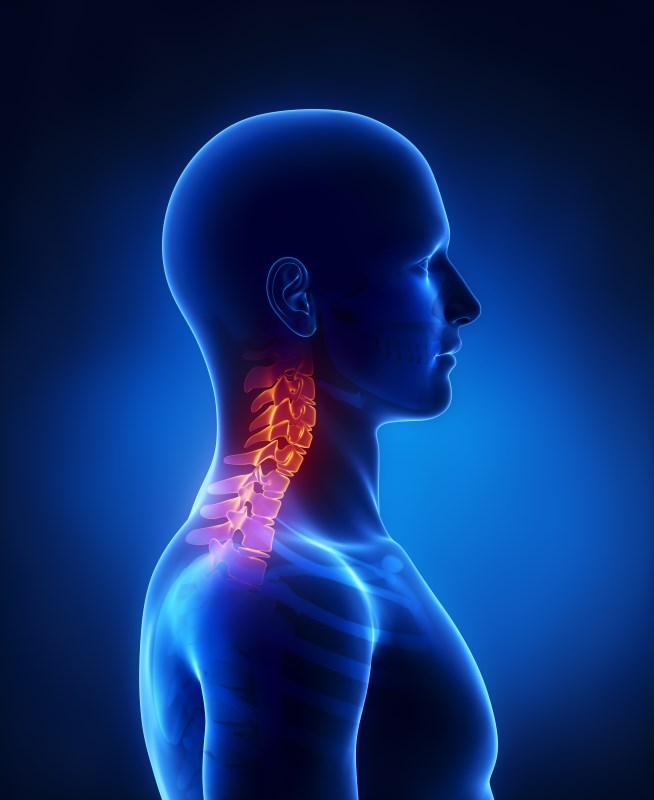
Neck pain and its associated disorders (NAD), including headache and radiating pain into the arm and upper back, are common. These disorders often result in significant social, psychological, and economic burden. Neck pain is a common reason for people to seek chiropractic care.
Motor vehicle collisions most commonly are associated with neck pain related to whiplash-associated disorders (WADs). Whiplash-associated disorders also affect the daily functioning of our patients in terms of considerable pain, suffering, disability, and costs. Whiplash-associated disorders are defined as an injury to the neck that occurs with sudden acceleration or deceleration of the head and neck relative to other body parts. Symptoms of WADs commonly include headache, stiffness, shoulder and back pain, numbness, dizziness, sleeping difficulties, fatigue, and cognitive deficits.
The 2000-2010 Bone and Joint Decade Task Force on Neck Pain and its Associated Disorders recommended that all types of neck pain, including WADs, be included under the classification of NAD. The 4 grades of NAD are:
- I – No signs or symptoms suggestive of major structural pathology and no or minor interference with activities of daily living
- II – No signs or symptoms of major structural pathology, but major interference with activities of daily living
- III – No signs or symptoms of major structural pathology, but presence of neurologic signs such as decreased deep tendon reflexes, weakness or sensory deficits
- IV – Signs or symptoms of major structural pathology (e.g., fracture, tumor, infection)
After searching and synthesizing the latest scientific literature on these topics, the guideline committee provided their recommendations. Below is the summary of the recommendations. The full guideline and accompanying documents are available from the CCGI website at www.chiroguidelines.org. There are excellent resources for practitioners and patients available from this website including exercise videos and forms.
Global summary of recommendations: A multimodal approach including manual therapy, self-management advice and exercise is an effective treatment strategy for both recent onset and persistent neck pain and whiplash associated disorders.
A) Summary of Recommendations for Grades I-III Neck Pain and Associated Disorders (NAD)
- For recent-onset (0-3 months) neck pain grades I-II, based on patient preference and practitioner experience we suggest offering advice with:
- multimodal care;
- manipulation or mobilization;
- Range of motion home exercises or multimodal manual therapy.
- For recent-onset (0-3 months) neck pain grade III, based on patient preference and practitioner experience we suggest offering advice with:
- supervised graded strengthening exercises.
- For persistent (>3 months) neck pain grades I-II, based on patient preference and practitioner experience we suggest offering advice with:
- multimodal care or stress self-management;
- multimodal care or advice alone;
- manipulation in conjunction with soft tissue therapy;
- supervised yoga; supervised group exercise; supervised strengthening exercises or home exercises;
- mixed supervised and unsupervised high-intensity strength training or advice alone for workers with persistent neck and shoulder pain;
- high dose massage.
- For persistent (>3 months) neck pain grade III, based on patient preference and practitioner experience we suggest offering advice with:
- multimodal care or advice alone;
- mixed supervised and unsupervised high-intensity strength training or advice alone for workers with persistent neck and shoulder pain.
B) Summary of Recommendations for Grade I-III Whiplash and Associated Disorders (WAD)
- For recent onset (0-3 months) whiplash grades I-III, based on patient preference and practitioner experience we suggest offering advice with:
- multimodal care.
- For persistent (>3 months) whiplash grades I-II, based on patient preference and practitioner experience we suggest offering advice with:
- supervised exercise or advice alone.
Source: Bussières AE, Stewart G, Al-Zoubi F et al. The Treatment of Neck Pain-Associated Disorders and Whiplash-Associated Disorders: A Clinical Practice Guideline. J Manipulative Physiol Ther. 2016 Oct;39(8):523-564.